Best Buenos Aires Neighbourhoods for Solo Travellers: Where to Stay and Why
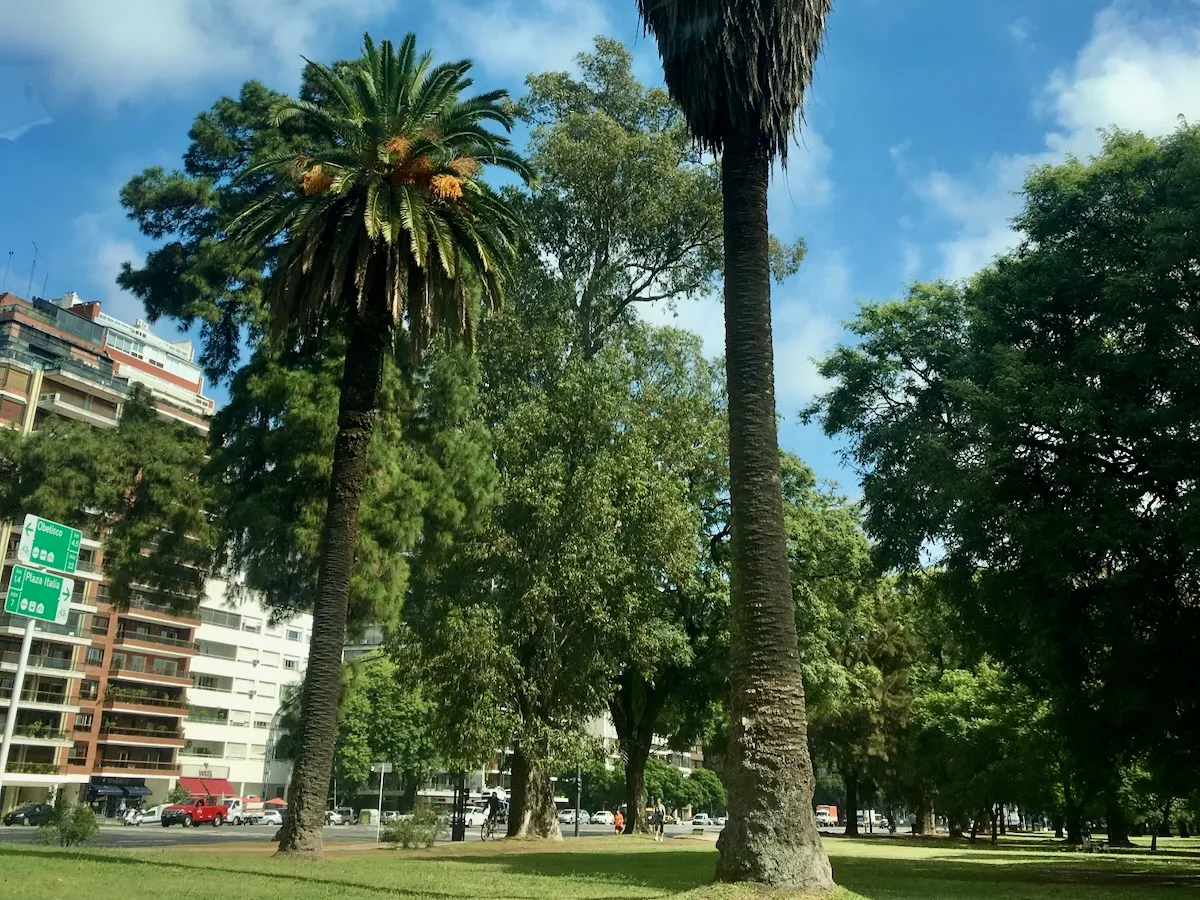
Buenos Aires splits into distinct neighbourhoods, and choosing the wrong one will cost you time, money, and the chance to see how locals actually live. Most guides push Palermo or San Telmo because they're easy to write about. I'm steering you toward Colegiales, Belgrano, and Villa Crespo — places where you'll pay less, walk more, and skip the tourist circus.
I've stayed in five different barrios across three trips to Buenos Aires. The best experiences came from neighbourhoods where I was the only foreigner at the corner cafe. This guide focuses on immersion, value, and safety for solo travellers planning anything from a week to several months.
This post is part of my Buenos Aires Solo Travel Guide, which covers the full picture: safety, food, itinerary, and practical logistics.
Quick Overview
- Colegiales — Budget-friendly local immersion, walkable to markets, quiet streets
- Belgrano — Residential calm, excellent for long stays, low safety concerns
- Villa Crespo — Digital nomad hub, half the price of Palermo, authentic cafes
- Chacarita — Emerging area bordering Colegiales, monthly rentals under US$800
- Palermo — Overpriced but convenient for first-timers, good transport links
- Recoleta — Upscale, safe, and central — my pick for short stays of a week or less
Patrick's Pick: Colegiales for first-time visitors wanting authentic local immersion without budget hostel compromises. Babel Belgrano gives you a full apartment with kitchen and terrace for around US$69/night, right where locals live. You're 10 minutes by Subte Line D from the centre, surrounded by markets and low-key bars, and paying half what Palermo charges for the same square footage.
Babel Belgrano — Check Availability
Colegiales
Colegiales sits northwest of the centre, bordering Belgrano and Chacarita. It's residential, tree-lined, and ignored by tour groups. You'll find corner markets, parrillas where locals eat, and apartment buildings with terraces. The Subte Line D (Juramento station) connects you to downtown in 15 minutes. This is where you base yourself if you want to live like a porteño without sacrificing comfort.
The neighbourhood lacks the polish of Recoleta and the hype of Palermo. That's the point. You'll walk to Chacarita's markets on weekends, grab empanadas from street vendors, and pay US$60-90/night for apartments that would cost double in tourist zones. Safety is straightforward — stick to main streets after dark, avoid flashing phones on quiet blocks, and you'll have no issues.
- Babel Belgrano — One-bedroom apartment, US$69/night, terrace, kitchen, strong reviews. Check Availability
- Luxury Duplex — Two-bedroom duplex, US$134/night, pool, rooftop terrace, ideal for extended stays. Check Availability
Check all hotels and prices in Colegiales
Belgrano
Belgrano is the quiet, upscale neighbour to Colegiales. It's residential, safe, and popular with long-stay travellers who want space and calm. The streets are wider, the buildings newer, and the vibe distinctly middle-class Argentine. You'll find supermarkets, pharmacies, and cafes where English isn't spoken. Subte Line D runs through here too, so access to the centre is quick.
This is where I'd stay for a month-long visit. The apartments are spacious, often with kitchens and laundry, and the neighbourhood feels stable. You won't find nightlife or tourist attractions, but you will find reliable infrastructure and a sense of normalcy. Prices run US$70-110/night for well-equipped apartments — still cheaper than Palermo.
- Live Soho Boutique Apartments Belgrano — One to four-bedroom apartments, US$76/night, WiFi, kitchens, free breakfast. Check Availability
- Belgrano Suites — Studio apartments, US$85/night, kitchenette, quiet street, walking distance to Subte. Check Availability
Check all hotels and prices in Belgrano
Villa Crespo
Villa Crespo has gentrified rapidly over the past three years. It's now the go-to neighbourhood for digital nomads and solo travellers who want reliable WiFi, coworking spaces, and a mix of old and new. Av. Corrientes and Scalabrini Ortiz form the main arteries, lined with cafes offering 50+ Mbps connections. You're close to Palermo but paying half the price.
The neighbourhood has grit. You'll see street art, older buildings, and locals who've lived here for decades. It's not polished, but it's functional. Monthly rentals run US$600-900 for one-bedroom apartments, making it ideal for longer stays. Safety is fine — use common sense on side streets at night, and you'll have no problems.
- Fierro Hotel — Boutique hotel, US$110-150/night, rooftop pool, on-site restaurant, near coworking spaces. Check Availability
- Villa Crespo Apartments — One-bedroom, US$70/night, kitchen, WiFi, walking distance to Av. Corrientes cafes. Check Availability
Check all hotels and prices in Villa Crespo
Chacarita
Chacarita borders Colegiales and shares the same residential calm but with even lower prices. It's emerging as a base for long-stay travellers who want monthly rentals under US$800. The neighbourhood centres around the Chacarita cemetery and market, where locals shop for produce and household goods. It's not scenic, but it's authentic.
You'll find fewer hotels here and more apartment rentals. The Subte Line B runs through Federico Lacroze station, connecting you to the centre in 20 minutes. This is where you stay if you're planning a multi-month visit and want to stretch your budget without living in a hostel dorm.
- Chacarita Loft — Studio apartment, US$60/night, kitchen, near market, quiet street. Check Availability
- Federico Lacroze Apartments — One-bedroom, US$65/night, WiFi, laundry, walking distance to Subte. Check Availability
Palermo
Palermo is the default recommendation for first-timers, and for good reason — it's central, well-connected, and packed with restaurants, bars, and shops. But it's also overpriced, crowded, and increasingly generic. If you're only in Buenos Aires for a few days and want convenience, Palermo works. For longer stays or deeper immersion, look elsewhere.
The neighbourhood splits into Palermo Soho (boutique shops, nightlife) and Palermo Hollywood (restaurants, film studios). Both are walkable, safe, and easy to navigate. You'll pay US$100-180/night for mid-range hotels, and you'll be surrounded by other travellers. It's fine, but it's not where I'd spend a month.
- Home Hotel — Boutique hotel, US$140/night, pool, design-focused, central Palermo Soho. Check Availability
- Palermo Viejo B&B — Guesthouse, US$95/night, breakfast included, quiet street, near Plaza Serrano. Check Availability
Getting Around Buenos Aires
The Subte (metro) has six lines covering the city. Line D connects Belgrano and Colegiales to the centre in 15-20 minutes. Buy a SUBE card at kiosks for US$1.50, load credit, and tap in. Trains run 5am-11pm weekdays, shorter hours weekends.
Buses (colectivos) have an extensive network, but the routes are confusing. Download the BA Cómo Llego app to plan trips and use your SUBE card. Lines 60 and 152 run along Av. Corrientes, connecting Villa Crespo to Palermo and downtown.
Colegiales, Belgrano, and Villa Crespo are all walkable internally. Palermo to Recoleta is 30 minutes on foot. Avoid walking alone on quiet streets after midnight.
For taxis and rideshares, use Cabify or Uber. Avoid hailing street cabs. Expect US$5-10 for cross-neighbourhood trips and always confirm the driver's licence plate before getting in.
EcoBici offers free bike-sharing for tourists (register online). Stations are common in Palermo and Recoleta, less so in Colegiales. Bike lanes exist but are inconsistent.
Experiences Worth Pre-Booking
Buenos Aires rewards planning. Book these before you arrive to secure English-speaking guides and avoid sold-out slots.
- Street Art Tour — Three-hour walking tour through Colegiales and Palermo, covering murals, local artists, and neighbourhood history. Small groups, US$30-40.
- Tango Show with Dinner — Skip the tourist traps. Book a show in San Telmo or Barracas with dinner included. US$80-120, worth it for the choreography and atmosphere.
- Food Tour — Four-hour tour through markets, parrillas, and cafes. Covers empanadas, asado, and local wines. US$60-80, includes tastings.
Is Buenos Aires Safe for Solo Travellers?
Buenos Aires is safe for solo travellers with basic precautions. Petty theft is the main concern — pickpocketing in crowded markets, phone snatching on buses, bag slashing in tourist areas. Violent crime against tourists is rare but not unheard of. Stick to well-lit streets after dark, avoid flashing expensive gear, and keep your phone in your front pocket.
Colegiales, Belgrano, and Villa Crespo are safer than San Telmo or La Boca. Recoleta and Palermo are safe but attract more opportunistic theft due to tourist density. Avoid walking alone in Constitución, Once, or the southern neighbourhoods after 10pm. Use rideshares at night instead of walking.
Scams targeting tourists are common — fake taxi drivers, overcharging at restaurants, street vendors selling counterfeit goods. Pay attention, trust your instincts, and you'll be fine.
For a detailed breakdown: Is Buenos Aires Safe? A Solo Traveller's Honest Assessment
Frequently Asked Questions
What is the best area in Buenos Aires for solo travel? Colegiales offers the best balance of value, local immersion, and safety. It's residential, well-connected by Subte Line D, and significantly cheaper than Palermo or Recoleta. For shorter trips where convenience matters more, Recoleta is my pick — I stayed there for two weeks and it was an excellent base.
Is Buenos Aires safe for solo female travel? Yes, with precautions. Stick to well-populated neighbourhoods like Palermo, Recoleta, or Belgrano. Avoid walking alone after dark on quiet streets, use rideshares at night, and keep valuables out of sight. Solo female travellers generally report feeling safe in residential areas but experience occasional catcalling.
How much does accommodation cost? Budget hostels start at US$15-23/night. Mid-range apartments in Colegiales or Belgrano run US$60-110/night. Monthly rentals in Villa Crespo or Chacarita cost US$500-900. Palermo and Recoleta are 30-50% more expensive across all tiers.
What is the best time to visit Buenos Aires? Spring (September-November) and autumn (March-May) offer mild weather (15-25°C) and fewer crowds. Avoid the height of summer (December-February) if you're planning long stays — the heat and humidity make walking uncomfortable.
Is Buenos Aires LGBTQ+-friendly? Yes. Buenos Aires is one of the most LGBTQ+-friendly cities in South America. Palermo and San Telmo have active gay scenes, same-sex marriage has been legal since 2010, and solo LGBTQ+ travellers report feeling safe and welcomed in most neighbourhoods.