First Time Thailand Solo in 2026: My Honest Phuket Travel Guide
First time Thailand solo in 2026: what to expect (and why I'd still go)
Thailand works well for solo travel if you're after comfort and value rather than backpacker hostels and beer buckets. The infrastructure's solid, English is widespread in tourist areas, and the costs let you stay longer without cutting corners on where you sleep or what you eat.
I went to Bangkok first time round and had a good trip. This year I'm heading to Phuket, which is popular for beaches and island access but comes with a complication: it's the centre of Thailand's sex trade. Patong Beach, specifically Bangla Road, is lined with go-go bars and beer bars. That visibility made me skip it initially — it's not everyone's scene, and if you'd find it uncomfortable, you need to choose your base carefully.
The good news: Phuket has quieter zones (Kata, Kamala, Old Town) where you won't deal with that side of things. Pick the right spot and you get the beaches without the seediness. Thailand's tourism setup means solo travellers are looked after. Just be deliberate about where you stay.
Thailand travel facts for first-timers
Thailand covers roughly twice the area of the UK and tourism contributes around 18-20% of GDP. That scale means infrastructure works: transport runs frequently, accommodation spans every budget, and tourist services are competitive.
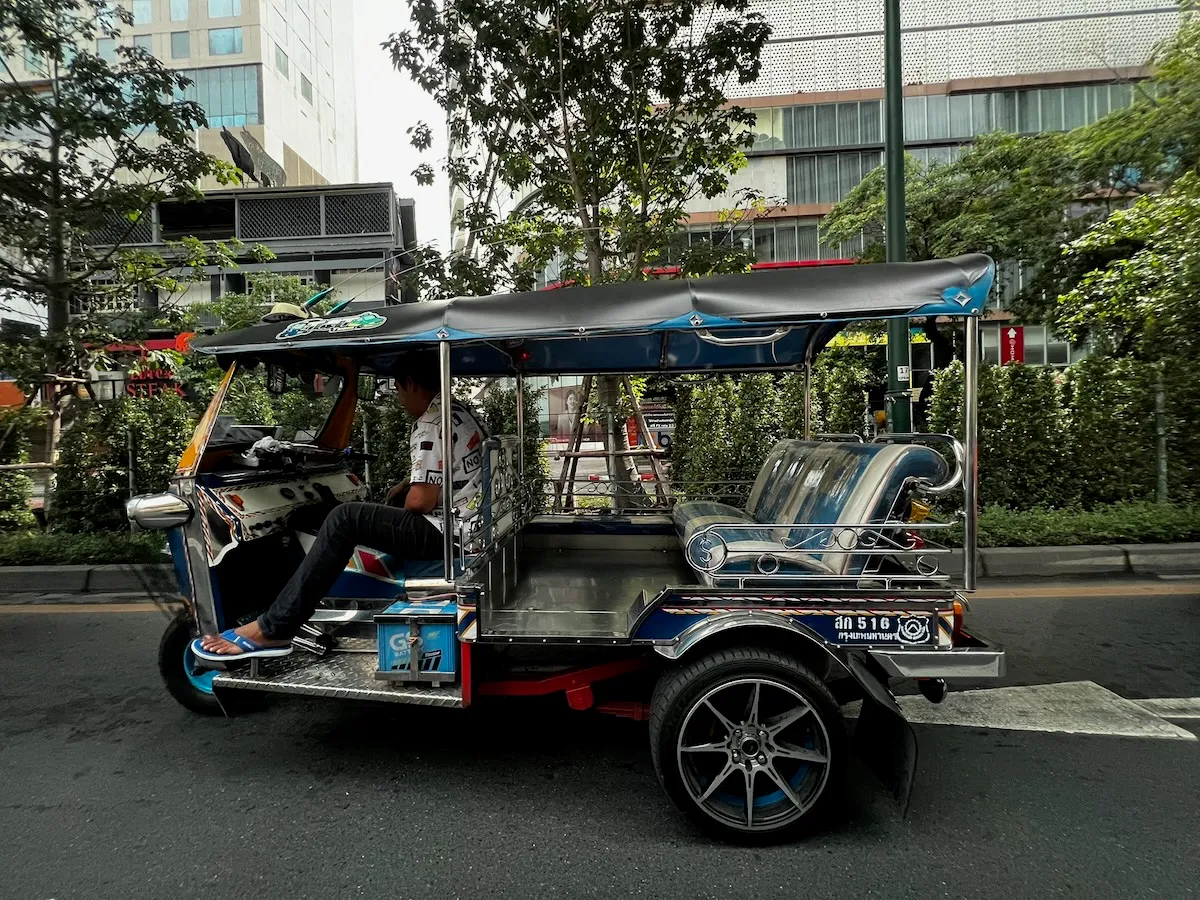
Costs vary significantly by location. Chiang Mai runs 25-40% cheaper than Phuket for accommodation and daily expenses. A mid-range hotel in Chiang Mai costs £20-32 per night; in Phuket, expect £32-55, with beachfront options pushing £80+. Transport follows the same pattern — Chiang Mai's songthaews (shared trucks) cost around 50p, while Phuket tuk-tuks or Grab rides start at £4-8.
I'd recommend starting in Bangkok or Chiang Mai, then moving to Phuket once you're acclimated. That "ripple" approach lets you ease into Thailand's pace before dealing with island transport and beach-town pricing.
Where should you go first? Bangkok vs Chiang Mai vs Phuket
Your first stop sets the tone.
Bangkok: best first landing for temples, food, logistics
Bangkok gives you temples, street food, and malls in one dense city. The Grand Palace, Wat Pho, and Wat Arun are all within a few kilometres. Street food stalls run along every soi, and shopping ranges from Chatuchak Weekend Market to air-conditioned mega-malls. It's the main hub for domestic flights to Phuket (1.5 hours, £20-50 if booked ahead) and Chiang Mai.
Use the first few days to adjust to the heat, sort a local SIM, and get comfortable with Grab (Thailand's Uber equivalent). Daily costs sit between Chiang Mai and Phuket levels, with budget accommodation starting around £15-25 per night near BTS stations in Sukhumvit or Silom.
The city's energy can be overwhelming at first. Traffic's relentless, the humidity hits hard, and the sensory overload is real. But that's also Bangkok's appeal — you get Thailand's full spectrum in one place. Most solo travellers use it as a launching point rather than a full week base. Three or four days gives you temples, markets, and enough city buzz before heading somewhere calmer.
Chiang Mai: the easiest solo base (and better value)
Daily costs run lower. Budget accommodation starts at £8-12 per night, mid-range at £20-32. A meal at a local restaurant costs £1.50-3, and songthaews charge around 50p per ride. The cooler season (November to February) makes walking and temple visits more comfortable than Phuket's constant heat.
The city attracts longer-stay visitors too. Thailand's digital nomad visa (launched 2024, valid one year, extendable) suits people wanting to base here for months. Cafes have reliable wifi, coworking spaces dot the Nimman area, and the expat community means English-speaking services are easy to find. If you want a gentle start with options to extend your stay, Chiang Mai delivers it.
Patrick's Pick: For a mid-range base in Chiang Mai's Old City, Bodhi Serene Hotel offers quiet rooms, a small pool, and walkable access to temples and night markets — around £28-35 per night depending on season.
Phuket: worth it, if you choose the right base
I didn't go to Phuket first time because of Patong's visibility as the sex-trade hub. Bangla Road runs through central Patong and is lined with go-go bars, beer bars, and clubs. It's loud, neon-lit, and explicitly geared to that scene. During the day it's quiet; after dark it's packed. Some travellers enjoy the energy and cheap beer (around £1.60). Others find it uncomfortable or depressing. If you stay in Patong for budget reasons (accommodation starts around £12-16 per night), you can avoid Bangla Road by sticking to the northern end of Patong Beach or staying inland.
Kata and Kamala are quieter alternatives with good beach access and fewer crowds. Old Phuket Town offers culture and cafes instead of sand. All three keep you away from the seedier zones while still giving access to island tours and diving. Transport between beaches requires planning — Grab, taxis, or scooter rental — but it's manageable. Just factor in higher costs and plan ahead; Grab rides between beaches run £4-8, and scooter rentals (£6-8 per day) require confidence in heavy traffic.
Is Thailand safe for solo travel in 2026?
Thailand ranks well for solo travel safety. Chiang Mai scored 6th globally for daytime safety in a 2023 Travelbag study (93/100), with Phuket at 10th (83/100). The Thai economy depends on tourism, so there's institutional incentive to protect visitors. Tourist police are visible in major areas, and English is common enough to navigate problems.
Standard precautions apply. Don't leave bags unattended, watch your drink in bars, and use registered taxis or Grab rather than unmarked tuk-tuks at night. The sex-trade zones aren't dangerous, but they're overt and can feel uncomfortable — stick to well-lit main streets if you're out late.
Scams exist but are usually low-level: tuk-tuk drivers quoting inflated fares, gem shop scams near temples, or "closed today" redirects to commission-earning tour operators. Polite refusal works. Healthcare is good — international hospitals in Bangkok, Chiang Mai, and Phuket handle emergencies in English.
Patrick's Tip: Download Grab before you arrive. It shows the fare upfront, tracks your route, and avoids the "broken meter" tuk-tuk negotiation. Works for rides and food delivery across Bangkok, Chiang Mai, and Phuket.
Phuket for solo travellers: where to stay (and what to avoid)
Phuket's geography spreads beaches along the west coast, each with a different vibe. Patong is the busiest and cheapest for accommodation, but it's also where Bangla Road sits. If you're comfortable with that atmosphere, Patong offers convenience and nightlife. If not, you'll want to base elsewhere.
My approach this trip: I'm staying in Kata for the beach access without the Patong scene. It's south of Patong with cleaner water and more families. Mid-range hotels run £32-55 per night here, compared to £12-16 in Patong's budget spots. The extra cost buys peace and a different crowd.
Patong and Bangla Road: why it's polarising
Let me be clear about what you'll find on Bangla Road since it affects where you stay. The street transforms after dark into neon-lit chaos — go-go bars with pole dancers visible from the street, beer bars with hostesses calling out to tourists, loud music competing from every doorway. Touts push ping-pong show flyers, and the general vibe is transactional and seedy. It's not threatening — tourist police patrol regularly — but it's overwhelming if that's not your scene.
Some visitors treat it like Amsterdam's red light district, a spectacle to walk through once. Others avoid that entire part of town. There's no middle ground on Bangla — you're either fine with it or you're not. If you book Patong accommodation to save money, check the map: northern Patong Beach or inland spots keep you away from the main strip.
Kata and Kamala: calmer beach bases with good value
Kata Beach sits about 15 minutes south of Patong by taxi and feels completely different. The beach curves around a bay with soft sand and clear water that's good for swimming. Mid-range hotels (£32-55 per night) line the main road back from the beach. You'll find normal restaurants, 7-Elevens, dive shops, and Thai massage places without the overtly sexual undertones. Kata Noi, the smaller bay south of main Kata, gets even fewer people — a handful of beachfront restaurants and quieter hotels make it ideal if crowds stress you out.
Kamala Beach, north of Patong, is similar but longer and less developed. Accommodation runs cheaper (£25-45 per night mid-range), and the vibe skews toward long-stay expats and families. Beach vendors are less pushy, and evenings are quiet. Both Kata and Kamala need transport to reach other parts of Phuket (£4-8 via Grab), so they're better if you're happy staying put rather than bar-hopping across beaches.
Patrick's Pick: Sugar Marina Resort, Nautical in Kata offers sea-view rooms, a rooftop pool, and walkable beach access for around £40-50 per night. Good balance of comfort and location without resort pricing.
Old Phuket Town: culture, cafes, Sunday Walking Street
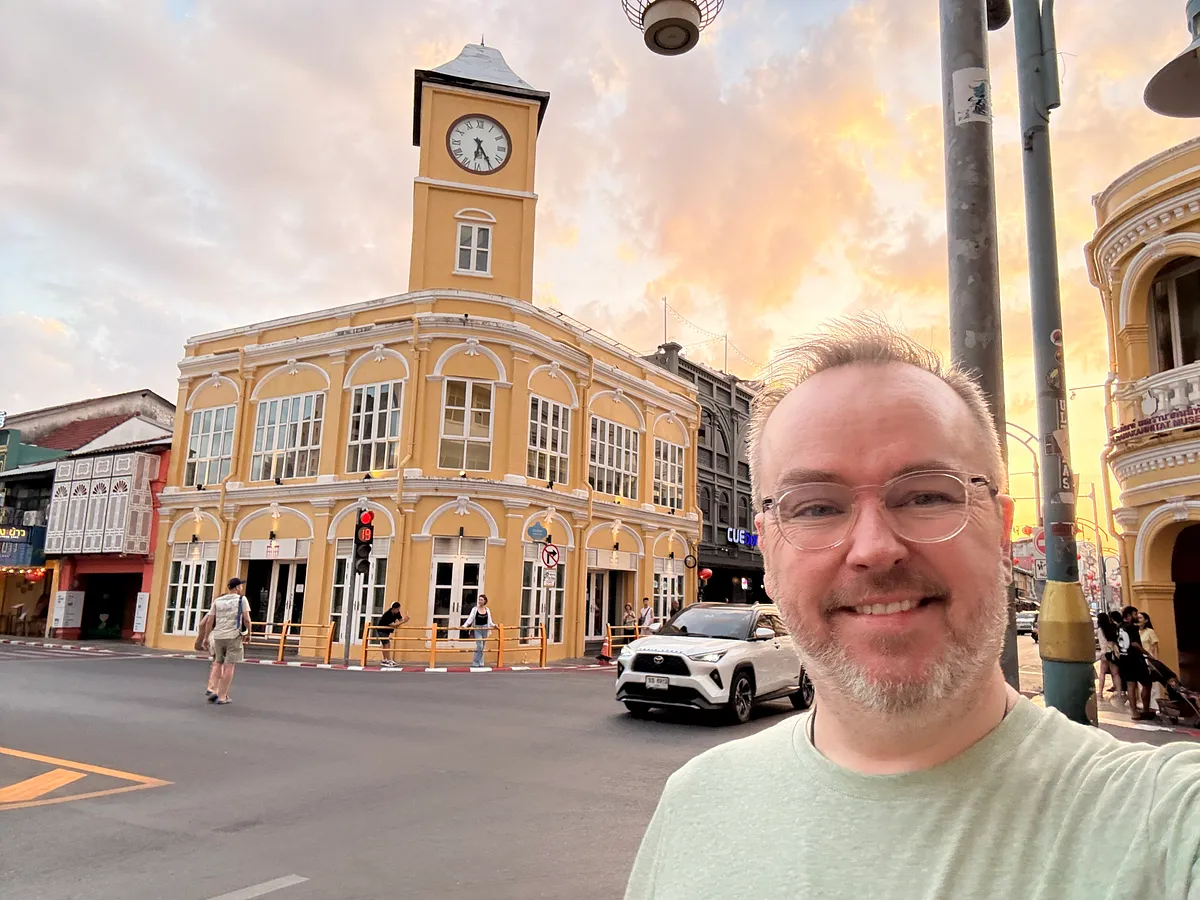
Old Phuket Town sits inland, away from beaches, and focuses on Sino-Portuguese architecture, street art, and local markets. Sunday Walking Street (Thalang Road) runs weekly with food stalls, crafts, and live music. It's a different pace — cafes, small museums, and quiet lanes instead of beach bars. Accommodation here is cheaper (£20-35 mid-range) and suits people who want culture over sand. You'll need transport to reach beaches (15-20 minutes to Patong via Grab, £4-6), but it's a good base if you're island-hopping and only need the beach for day trips.
The architecture tells Phuket's tin-mining history through colourful shophouses and Chinese shrines. Dibuk Road and Thalang Road have been restored with cafes and boutique hotels in the old buildings. On Sundays, Thalang Road closes to traffic for the walking market — grilled squid, mango sticky rice, local crafts, and buskers. It's touristy but less aggressive than Bangkok markets. During the week, the area's quiet — good for slow mornings with coffee and a book.
When to go (weather and crowds) and how much it costs
Thailand's seasons split by region. Chiang Mai's cool, dry season runs November to February (20-28°C), ideal for temples and hiking. Phuket's high season is November to April (27-32°C), with calm seas and clear skies for beaches and island tours. Avoid Phuket from May to October — monsoon rains make boat trips unreliable and beaches less appealing. The rain isn't constant (you'll get sunny mornings then afternoon downpours), but island tours cancel and beaches get rough seas.
Peak crowds hit January to March, especially around Chinese New Year and European winter holidays. Book flights and hotels ahead to save 20-30%. Shoulder months (November, April) offer better value and fewer people.
Daily budgets for solo travellers: Chiang Mai £25-40, Phuket £40-65, Bangkok £30-50. Island tours (Phi Phi, James Bond Island) cost £32-65 including lunch and snorkelling. Temple entry is usually free or £0.80-2.50.
Weather affects what you pack too. Chiang Mai nights in December can drop to 15°C, so bring a light jacket. Phuket stays warm year-round (rarely below 24°C at night), but rain gear helps May through October. Sunscreen is essential everywhere — the UV index hits extreme even on cloudy days. Pharmacies sell it cheaper than home, but bring reef-safe versions if you're snorkelling.
How to get to Thailand and move around safely
Most international flights land at Bangkok's Suvarnabhumi Airport (BKK). From there, domestic flights to Phuket take 1.5 hours and cost £20-50 if booked ahead (prices spike during holidays). Chiang Mai is a similar flight time and price. Some carriers fly direct to Phuket from Europe and Asia, but Bangkok connections are more frequent.
You'll need a passport valid for six months and proof of onward travel. No advance visa required for tourism under 60 days. Immigration occasionally asks for 20,000 baht (£500) cash proof, but cards showing available funds usually work.
Getting around cities varies. Bangkok has the BTS Skytrain and MRT metro, both clean and efficient — buy tokens or a Rabbit Card for multiple trips. Chiang Mai relies on songthaews (red trucks) that run semi-fixed routes for 50p, or charter one for £2-3. Phuket has no train (it's an island) and limited public transport — Grab, taxis, or scooter rental are your options. Scooters cost £6-8 per day but traffic is heavy and accidents common among tourists. Only rent if you're confident, and always wear a helmet.
Patrick's Tip: Book domestic flights on Skyscanner or directly with Thai Airways, Bangkok Airways, or AirAsia. Prices spike during holidays — search 4-6 weeks ahead for best fares. Baggage fees add up on budget carriers; check allowances before booking.
A simple first-time Thailand solo plan (2 weeks, low-stress "ripple" route)
A two-week itinerary gives you time to cover Bangkok, Chiang Mai, and Phuket without rushing.
Days 1-4: Bangkok. Visit the Grand Palace (£10 entry), Wat Pho (£3.50), and eat street food along Yaowarat (Chinatown). Stay near BTS stations (Sukhumvit or Silom) for easy transport. The sensory assault eases after day two, and by day four you'll navigate the Skytrain like a local. Two temples per day maximum, or they blur together.
Days 5-8: Chiang Mai. Fly in and base in the Old City. Walk to temples (Wat Phra Singh, Wat Chedi Luang, free or £0.80 entry). Do the Sunday Walking Street market, take a cooking class (£20-30), or visit an ethical elephant sanctuary (£40-60). The pace here lets you breathe after Bangkok's intensity. Rent a bicycle (£2-3 per day) to explore beyond the moat — the university area and Nimman have good cafes and younger crowds.
Days 9-14: Phuket. Stay in Kata or Kamala, not Patong, unless you're comfortable with Bangla Road. Book an island-hopping day trip to Phi Phi or the Similan Islands (£32-65, usually includes lunch and snorkelling gear). Spend a day at your beach doing nothing — you've earned it by now. Visit Old Phuket Town for the Sunday Walking Street if your timing works. Use the remaining days to mix beach mornings with afternoon exploration: a Thai cooking class, a diving taster session, or simply working your way through the beachfront restaurants.
Patrick's Tip: Don't try to see all of Thailand in two weeks. The ripple approach — landing in the big city, moving to the calmer cultural base, then finishing at the beach — gives you natural decompression. You'll arrive at each place ready for what it offers rather than exhausted from the last one.
Experiences worth pre-booking
Phi Phi Island day trip — Snorkelling, beach time, and Maya Bay. Book a small-group tour (8-12 people) rather than a party boat. £32-50.
Chiang Mai cooking class — Learn to make pad thai, green curry, and mango sticky rice. Most classes include a market visit. Works well solo. £20-30.
Ethical elephant sanctuary — Feed and walk with elephants at a rescue facility. No riding. Half-day trips from Chiang Mai. £40-60.
Bangkok temple tour — Grand Palace, Wat Pho, and Wat Arun with a guide who explains the history. Saves time navigating between sites. £25-40.
FAQ
Is Thailand safe for solo travellers? Yes. Thailand consistently ranks among the safest destinations in Southeast Asia for solo travel. Tourist infrastructure is well-developed, English is widely spoken in tourist areas, and violent crime against visitors is rare. Use standard precautions with belongings and transport.
How much does Thailand cost per day? Budget on £25-40 per day in Chiang Mai, £30-50 in Bangkok, and £40-65 in Phuket. These figures cover mid-range accommodation, local food, transport, and one activity. Island tours and domestic flights are extra.
Should I avoid Patong Beach? Not necessarily, but know what you're getting. Bangla Road is Phuket's red-light district and it's impossible to miss after dark. If that's not your scene, stay in Kata, Kamala, or Old Phuket Town instead. Patong's northern beach area is fine during the day.
What's the best time to visit Phuket? November to April for dry weather, calm seas, and reliable island tours. January to March is peak season with higher prices. November and April offer the best balance of weather and value.
Do I need a visa for Thailand? Most nationalities get visa-free entry for up to 60 days. You'll need a passport valid for six months and proof of onward travel. No advance application needed for short stays.
Is Chiang Mai or Phuket better for solo travellers? Different experiences entirely. Chiang Mai is cheaper, calmer, and better for culture, cooking classes, and meeting other travellers. Phuket is about beaches, island-hopping, and relaxation. If you have two weeks, do both.