El Ateneo Grand Splendid: Is the World’s Most Beautiful Bookstore Worth Your Time?
People kept saying, “go to El Ateneo,” and I kept resisting.
It’s a bookstore. I like bookstores, but I travel hand luggage only now. The temptation to buy books I couldn’t carry? Too strong.
Then it started to rain in Buenos Aires. Not drizzle. RAIN. I needed somewhere dry within walking distance of my hotel in Recoleta, and El Ateneo Grand Splendid was three blocks away.
National Geographic calls it the “world’s most beautiful bookstore.” The Guardian ranked it second globally. With credentials like that, I figured even a non-shopping visit might be worthwhile.
I was right. This isn’t just a bookstore. It’s a converted 1919 theatre that happens to sell books.
Here’s whether it deserves a spot on your Buenos Aires itinerary.
What Makes El Ateneo Grand Splendid Special
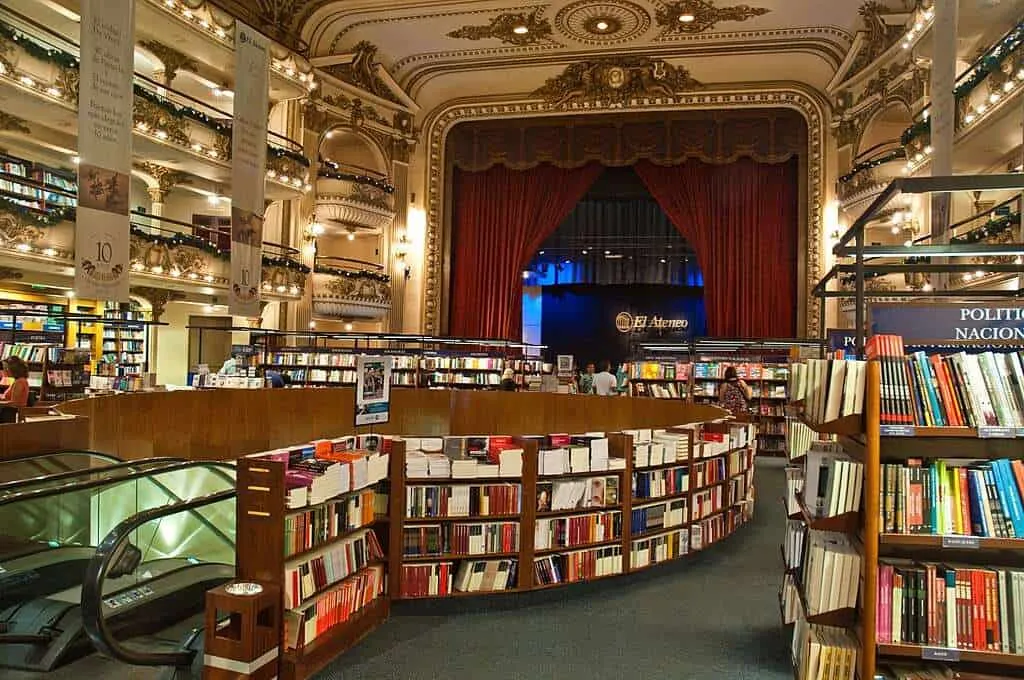
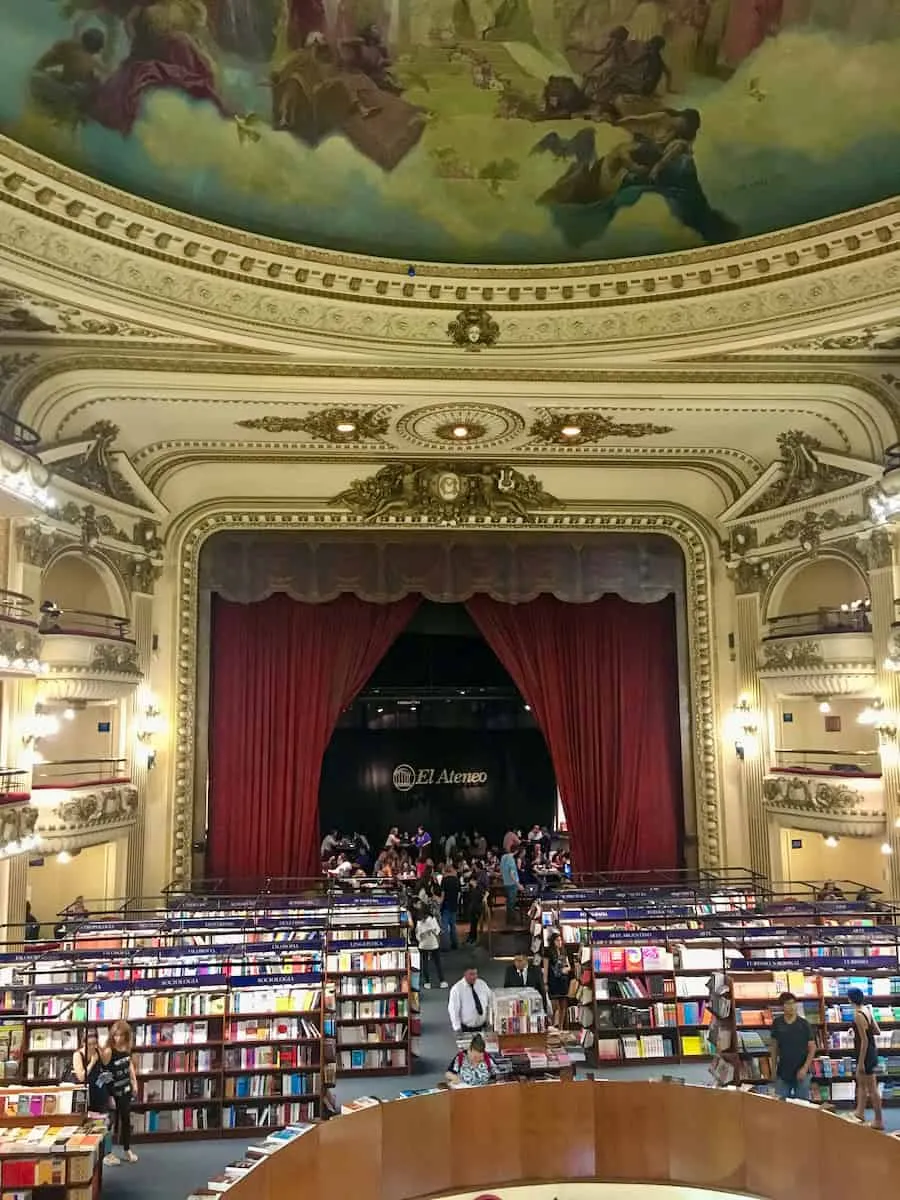
Most bookstores don’t have frescoed ceilings, ornate balconies, and a stage where you can drink coffee.
El Ateneo Grand Splendid does.
The building opened in 1919 as Teatro Gran Splendid, during Buenos Aires’ golden era when European immigrants flooded the city and tango was born. The theatre hosted opera performances, tango singers (Carlos Gardel performed here), and in the late 1920s, became a cinema showing Argentina’s first “talkies” (films with synchronized sound).
By the late 1980s, the theatre closed. The cinema limped on until 1999. After a $3 million renovation, it reopened in December 2000 as a bookstore, retaining nearly all its theatrical splendor.
What they preserved:
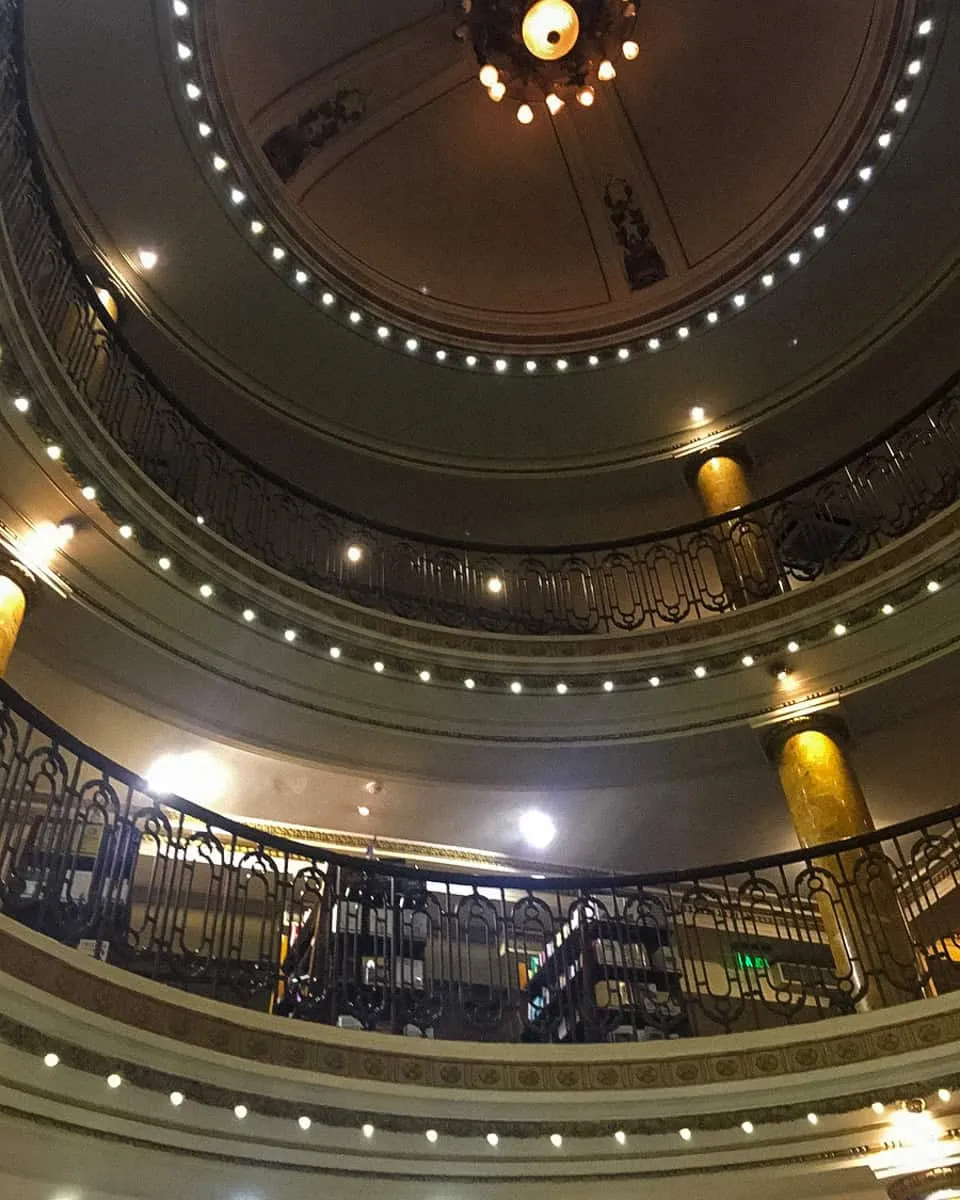
The central dome with frescoes by Italian artist Nazareno Orlandi
Red velvet curtains framing what’s now the café
Former luxury boxes converted into intimate reading nooks
Balconies wrapping the entire space
Original stage, now a café where you can sit exactly where performers once stood
The effect is surreal. You’re browsing books on personal finance or Argentine literature while surrounded by gilded balconies and painted cherubs.
My Visit: Soaked, Skeptical, and Surprisingly Impressed
Despite wearing my best waterproof jacket (same one from my packing list for Ireland), I arrived drenched.
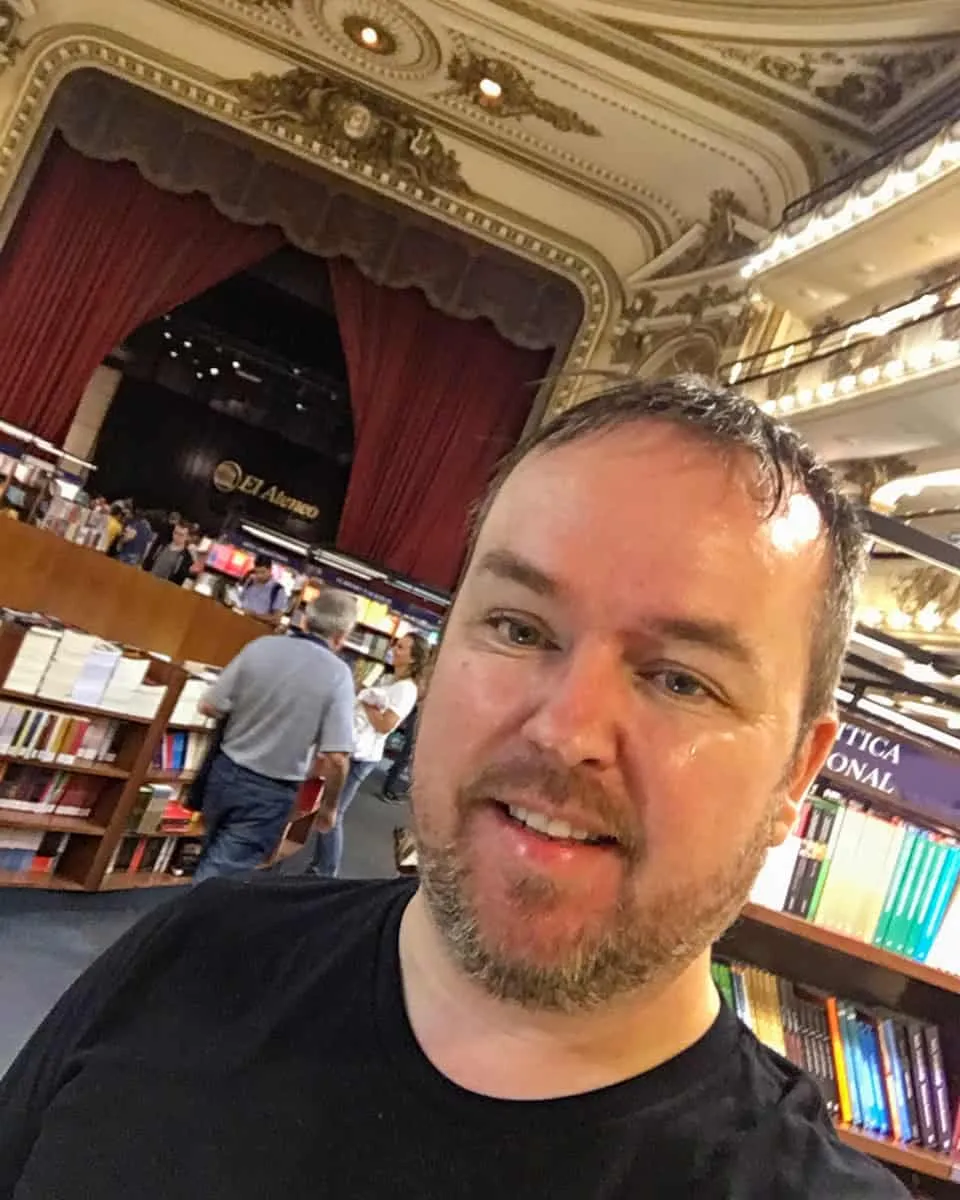
The interior stopped me cold.
High ceilings. Ornate detailing. That central dome bathed in soft, dramatic lighting. It’s like stepping back a century, except instead of tango dancers, the stars are books.
I’m not prone to hyperbole, but this space earns its reputation.
The Layout
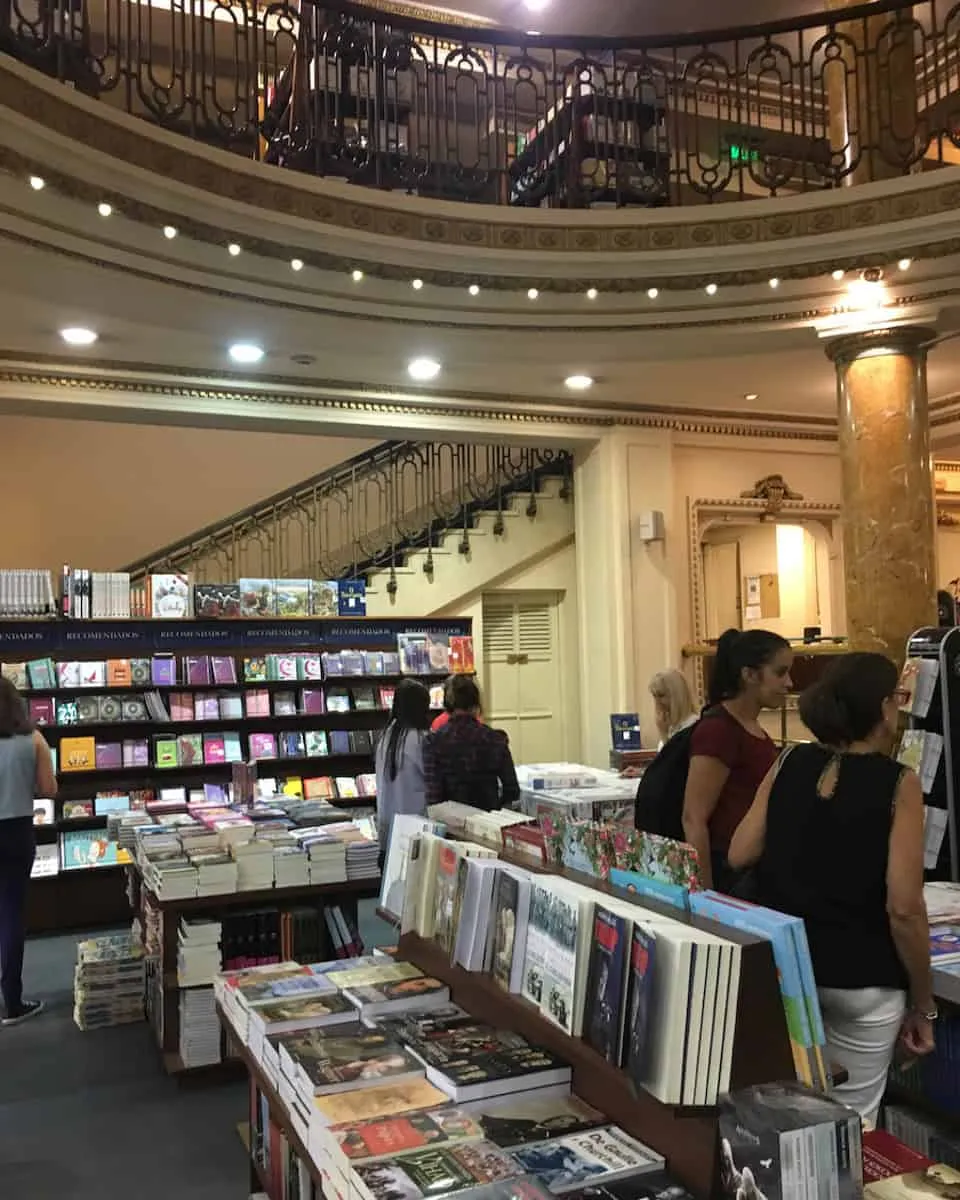
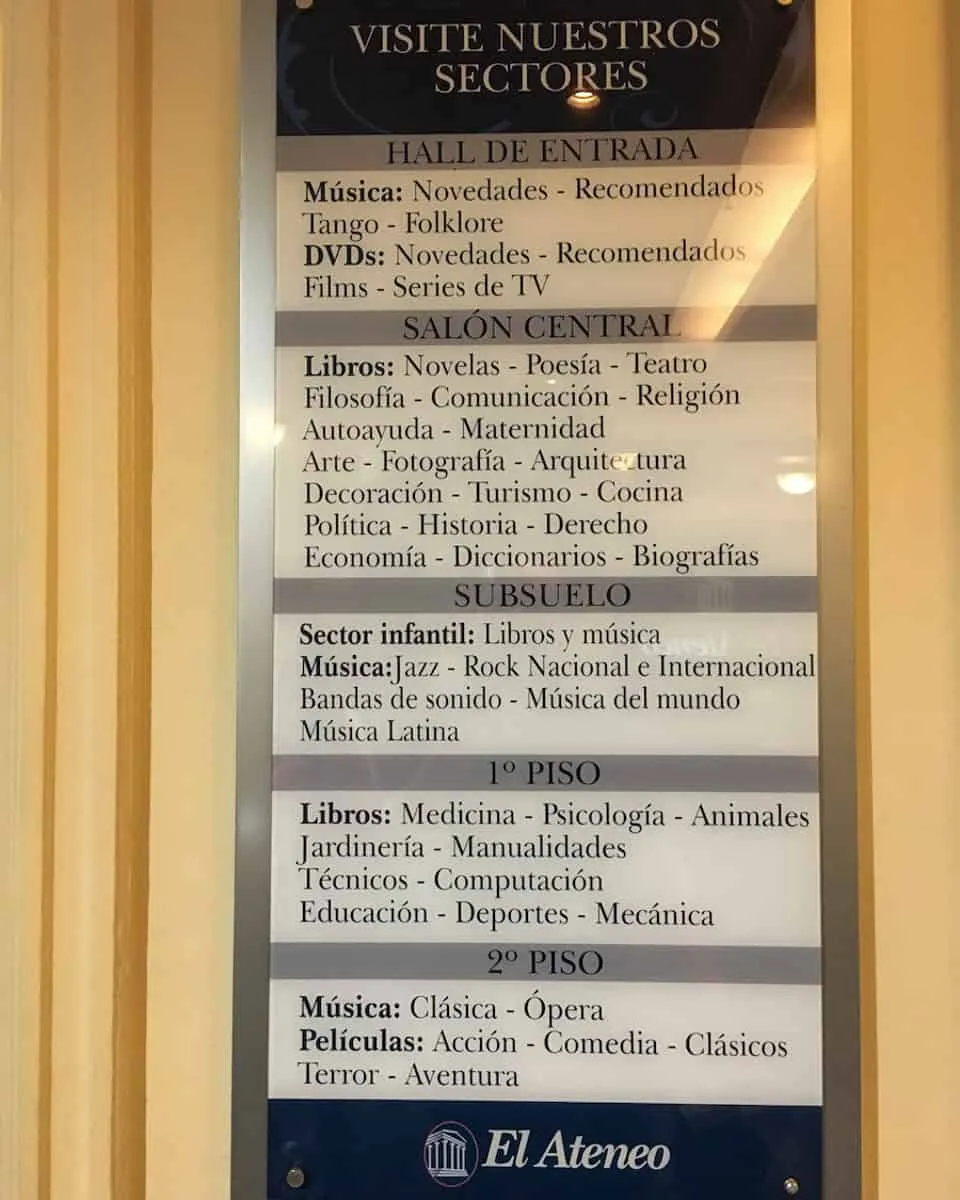
Ground floor: General interest, bestsellers, Argentine literature, DVDs, CDs. The majority here is in Spanish.
Head upstairs: More specialized sections. As you climb to the balconies, you get better views of the frescoes and the full theatre layout.
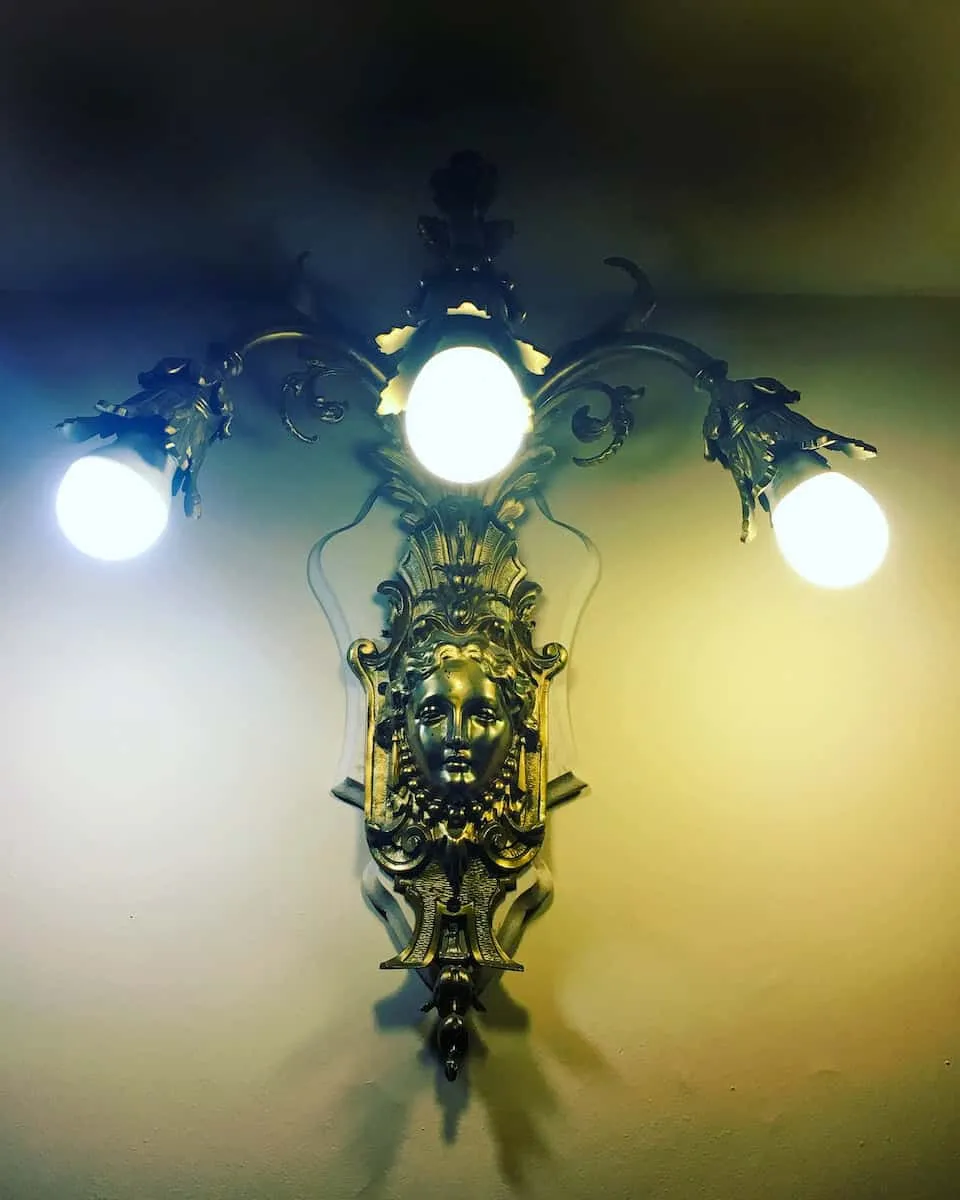
The brass lamps, Art Nouveau touches, and 1920s aesthetic feel authentic because they are. This isn’t a theme park recreation. It’s a working bookstore inside a protected building.
The Book Selection (Mostly Spanish)
Let’s be honest: if you don’t read Spanish, your options are limited.
There’s a small English section near the entrance. Romance novels, thrillers, the occasional literary title. A few large-format photo books come in English editions.
I’m not fluent enough in Spanish to justify buying a novel, but I grabbed a journal and a pen. Something small to remember the visit.
If you’re a Spanish reader: This is paradise. Argentine literature, international bestsellers, academic texts, comics, children’s books. The selection is vast.
If you’re not: Come for the building, not the shopping.
The Café on Stage
One of the best parts: the café sits where the stage used to be. You can order a cappuccino or a pastry, sit exactly where performers once stood, and look out at the balconies. It’s a perspective flip. You’re not in the audience. You’re center stage.
The café gets busy, especially on weekends. I went back on a midweek around 2 PM and snagged a table easily. If you want guaranteed seating, come during off-peak hours (weekday mornings or mid-afternoons).
The coffee is solid. The pastries are fine. You’re paying for the experience more than the food, but that’s expected.
Photography: Instagram Gold or Genuine Wonder?
Both, honestly. El Ateneo is absurdly photogenic. The balconies, the dome, the symmetry, the lighting. It’s catnip for anyone with a camera.
Best photo spots:
One balcony level up, slightly off-center (avoids the crowd at dead center)
From the stage café looking back toward the balconies
Ground floor looking up at the dome
Weekday visits: Fewer people, easier to get clean shots. Weekend visits: Expect crowds, especially Sunday afternoons.
I don’t normally care about Instagram aesthetics, but even I took photos here. The space is genuinely stunning, and the photos aren’t misleading.
The New Immersive Experience (Skip It)
In 2024, El Ateneo added a paid immersive experience on the upper floor.
What it includes:
Historical panels about the theatre’s transformation
Newspaper clippings and archival photos
A projec tion room with audiovisual displays featuring Carlos Gardel and tango history
Ticket prices (2026):
Argentine residents: ARS 20,000 (roughly $10-12 USD depending on exchange rates)
Non-residents: ARS 30,000 (roughly $15-18 USD)
Seniors/students with ID: ARS 10,000
My take: Skip it.
The free areas (ground floor, balconies, café, reading nooks) give you everything that matters: the architecture, the atmosphere, the views. The paid section is fine but not worth the price, especially if you’re budget-conscious.
If you’re a hardcore theatre history buff or Gardel obsessive, maybe. For everyone else, save your money.
Practical Information
Address: Avenida Santa Fe 1860, Recoleta Metro: Callao station (Line D), then a 700-meter walk (about 3 blocks) Hours:
Monday to Saturday: 9 AM to 9 PM
Sunday: 12 PM to 9 PM (subject to change, especially holidays)
Entry: Free (except for the immersive experience upstairs) Phone: +54 11 4813-6052 Website: yenny-elateneo.com
Getting There
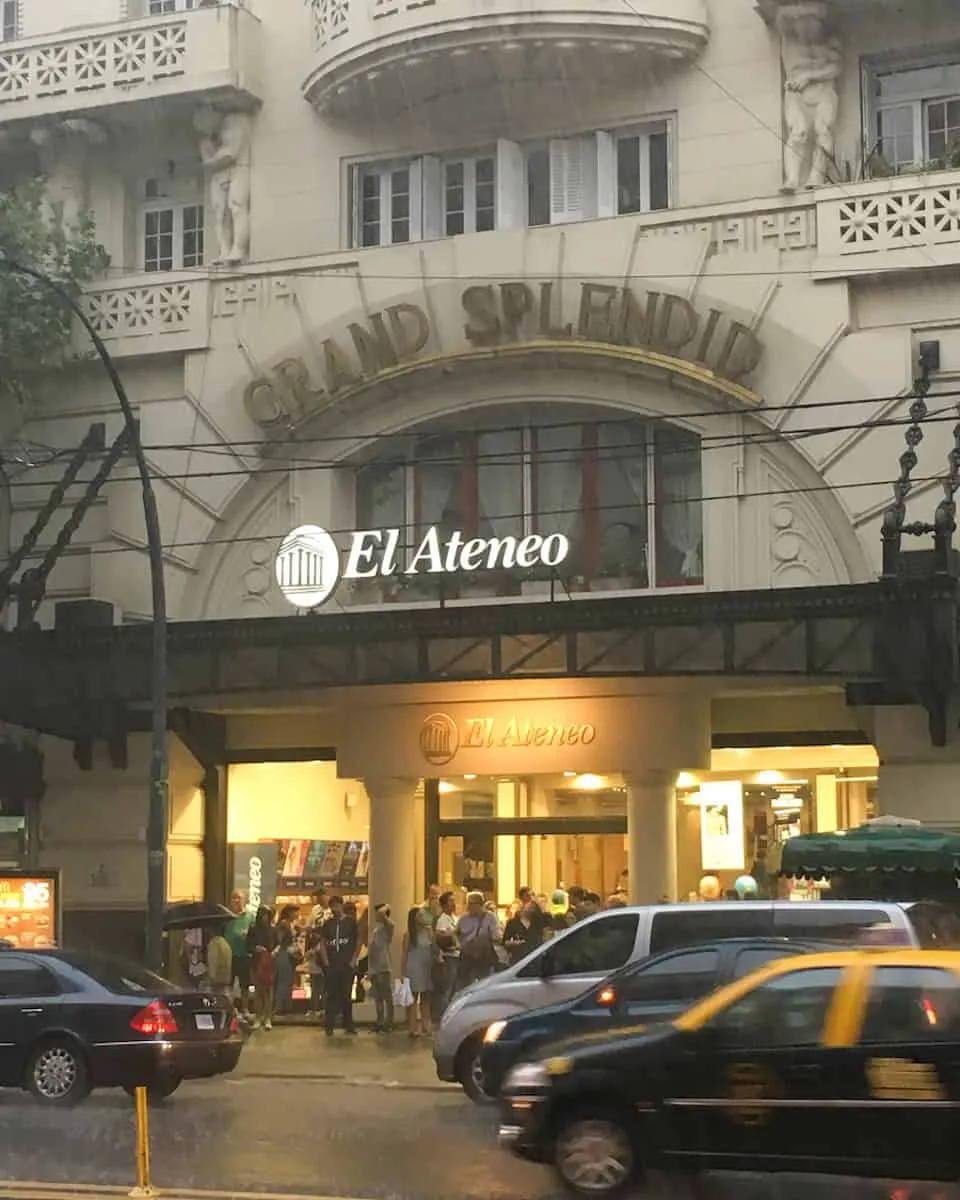
From most hotels in Recoleta or Palermo, it’s walkable. Avenida Santa Fe is a busy commercial street. You can’t miss the building once you’re close.
If you’re taking the Subte (metro), get off at Callao on Line D. Walk northwest on Santa Fe for about three blocks. Total time: 10 minutes.
If it’s raining (like it was for me), bring an umbrella or accept that you’ll get wet. Buenos Aires rain doesn’t mess around.
What to Do Nearby
El Ateneo sits in Recoleta, one of Buenos Aires’ most elegant neighborhoods. If you’re planning a half-day in the area, combine it with:
Recoleta Cemetery (15-minute walk): Where Eva Perón is buried. Elaborate mausoleums, incredible sculpture, and a fascinating glimpse into Argentine history. Read my guide here.
Museo Nacional de Bellas Artes (20-minute walk): Argentina’s premier fine arts museum. Free entry, excellent collection.
Café culture on Avenida Santa Fe: Dozens of cafés line the street. Try Café Martínez for coffee and pastries, or Parrilla Peña if you want steak nearby.
Floralis Genérica (20-minute walk): A giant metal flower sculpture in Plaza de las Naciones Unidas. Closes at sunset, opens at sunrise. Quirky and worth a quick photo.
When to Visit
Best time: Weekday mornings (9-11 AM). Quiet, good light for photos, easy to browse without crowds.
Busiest time: Weekends, especially Sunday afternoons. Expect lines at the café and crowds at photo spots.
Tourist seasons: January-February (Southern Hemisphere summer) and October are peak months in Buenos Aires. June is typically quieter.
Regardless of when you go, budget at least 30-45 minutes. Longer if you want to sit in the café or linger in the reading nooks.
Is It Worth Visiting?
Yes, if:
You appreciate architecture and historical preservation
You want a unique cultural experience in Buenos Aires
You enjoy bookstores (even if you can’t read Spanish)
You’re looking for something photogenic that isn’t touristy in a bad way
Skip it if:
You’re pressed for time and only have a day in Buenos Aires
You’re not interested in books, architecture, or cultural spaces
You’re expecting to buy English-language books (very limited selection)
For me, visiting El Ateneo Grand Splendid was an unexpected highlight. I went to escape the rain and left genuinely impressed.
It’s not overhyped. The “world’s most beautiful bookstore” claim? Justified. The building is remarkable, the preservation is thoughtful, and the transformation from theatre to bookstore works beautifully.
Even if you don’t buy a single book, it’s worth 30 minutes of your Buenos Aires itinerary.