Darwin to Kakadu National Park: The Ultimate Day Tour Guide (2026)
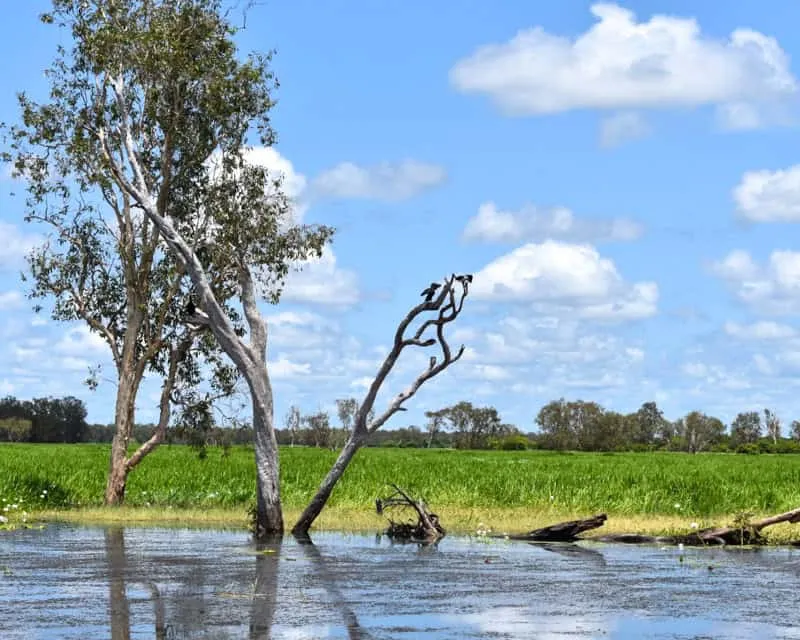
Be still, my beating heart! Kakadu National Park sits just three hours from Darwin, but feels like stepping into another world entirely.
As I experienced on my day tour, this is a land of wetland birds nonchalantly sitting atop floating branches, unworried by the presence of so many crocodiles lurking in the shallows below. Here’s everything you need to know about making this remarkable journey yourself.
Essential Kakadu Resources
🎫 Book Your Tour Kakadu Day Tour from Darwin – Includes Yellow Waters cruise, Nourlangie Rock, and cultural centre visits
Why Visit Kakadu from Darwin?
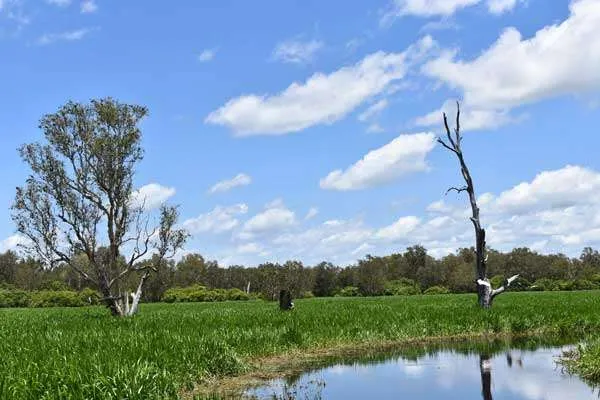
Kakadu National Park isn’t just Australia’s largest national park – it’s a living cultural landscape. Covering nearly 20,000 square kilometres, this World Heritage site protects both extraordinary natural environments and the world’s oldest continuous cultural traditions.
The 3-hour drive from Darwin takes you through changing landscapes, from tropical Darwin to the ancient escarpments and wetlands of Kakadu. But here’s what makes a guided tour worthwhile: without local knowledge, you’ll miss the stories behind the rock art, the significance of seasonal changes, and the best wildlife spotting opportunities.
During my visit in March 2019 – technically wet season – the water levels were lower than usual, creating perfect conditions for wildlife concentration around remaining billabongs. Even the crocodiles seemed more active, basking in the warm morning sun before retreating to shaded water as temperatures climbed.
Best Tour Options from Darwin
The Darwin to Kakadu Day Tour
The Darwin to Kakadu Day Tour is the one I took, and it’s the excursion I’m recommending here. The early morning pickup might seem brutal at unbelievable o’clock (around 6:30am), but you’ll appreciate cooler temperatures and more active wildlife. Our driver Ben had been adopted by a Tiwi Islander family and knew this countryside intimately – his infectious enthusiasm made even the earliest departure bearable.
What’s included:
Hotel pickup/drop-off in Darwin
Comfy bus with WiFi and USB charging
Yellow Waters cruise
Warradjan Aboriginal Cultural Centre
Nourlangie Rock art galleries
Buffet lunch
Professional driver/guide
Duration: 12-14 hours including travel time Price: From $210 AUD per person
If you have more time available, multi-day tours allow deeper exploration of Kakadu’s diverse landscapes and can combine visits to Litchfield National Park and Katherine Gorge for a complete Top End experience.
Self-Drive Option
Distance: 250km each way via Arnhem Highway Drive time: 3 hours one way Road conditions: Fully sealed, suitable for 2WD Fuel: Limited options en route – fill up in Darwin
Self-driving gives you flexibility but requires Kakadu park passes ($40 per vehicle for 14 days) and means missing Aboriginal cultural interpretation that made my guided tour unmissable.
I’d recommend booking early through Discover Cars if you’re thinking of hiring a car – demand can spike in peak season.
What to Expect on Your Kakadu Day Tour
The Journey Begins
Your day starts early – typically 6:30am pickup from Darwin hotels. Don’t worry about the ungodly hour; our driver Ben’s chirpy jokes made even the earliest departure bearable. The comfortable coaches feature WiFi and USB charging, essential for the long day ahead.
Here’s a few of the notes I took: First hour: Urban Darwin gives way to rural landscapes Second hour: Enter wetlands country – watch for jabiru storks Third hour: Approaching Kakadu’s ancient escarpments
Warradjan Aboriginal Cultural Centre
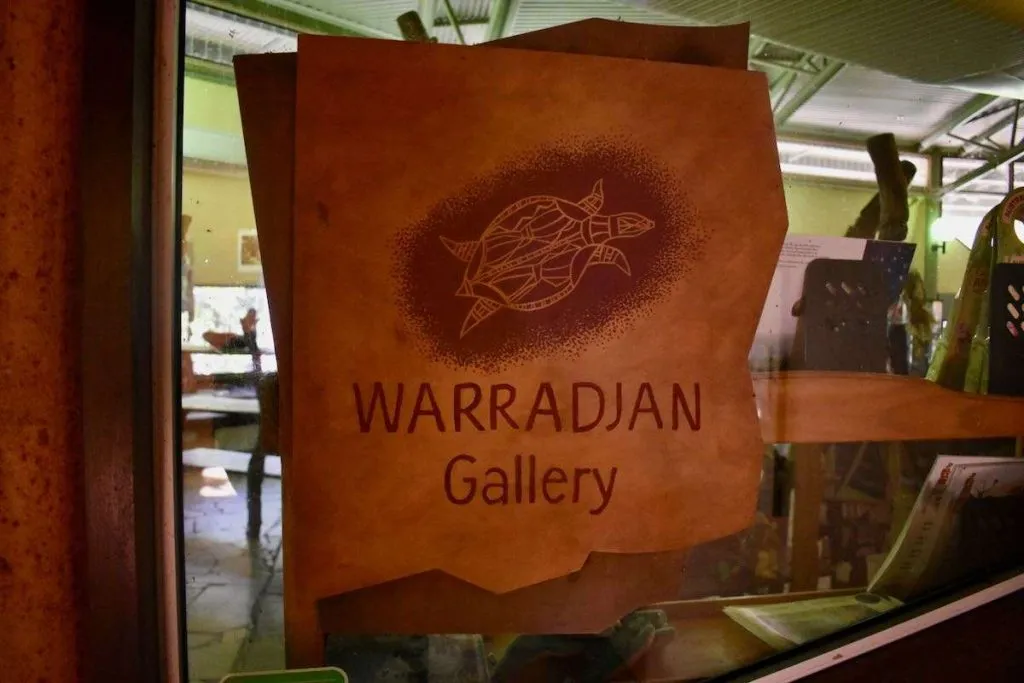
Our first stop provides crucial context for everything that follows. This Indigenous-owned centre explains 65,000 years of continuous Aboriginal culture through interactive displays and traditional artifacts.
Photography note: Photography isn’t permitted inside the important parts of the cultural centre – this protects sacred imagery and maintains the contemplative atmosphere essential for understanding this ancient culture.
The centre’s location beside Yellow Water billabong isn’t coincidental – this has been a meeting place and seasonal camp for millennia.
Yellow Waters Cruise – The Highlight
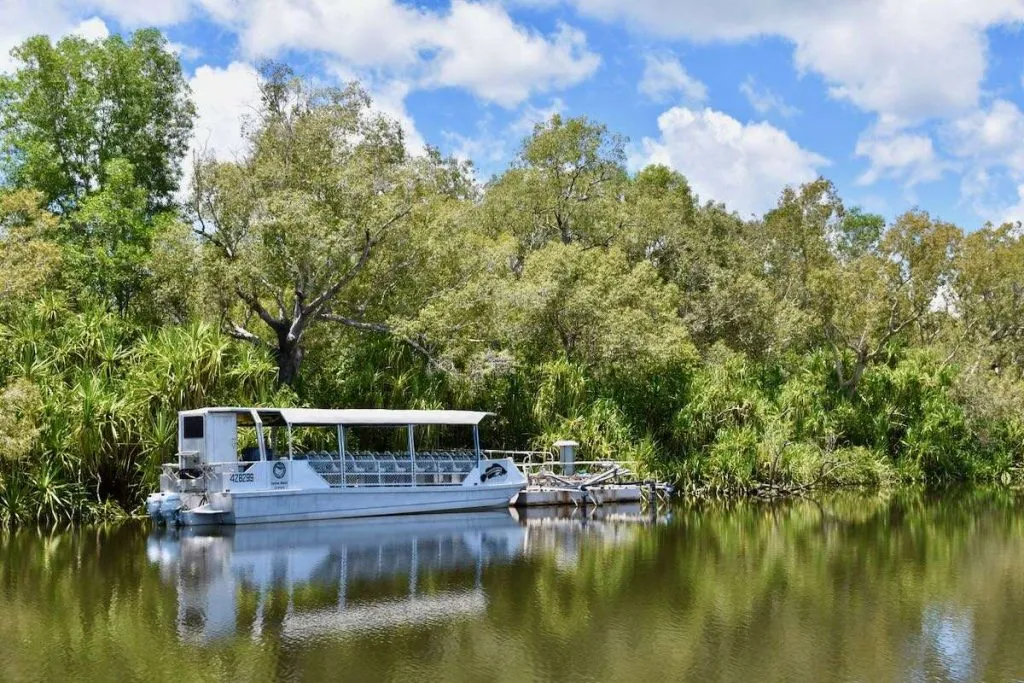
Duration: 1.5-2 hours Wildlife guarantee: You will see crocodiles
The wetland cruise aboard Yellow Waters is just fantastic. As we glided through paperback forests and open billabongs, the beauty of this landscape unfolded before us. Nature crafts its own arcs – branches reflected in the water creating beautiful circles.
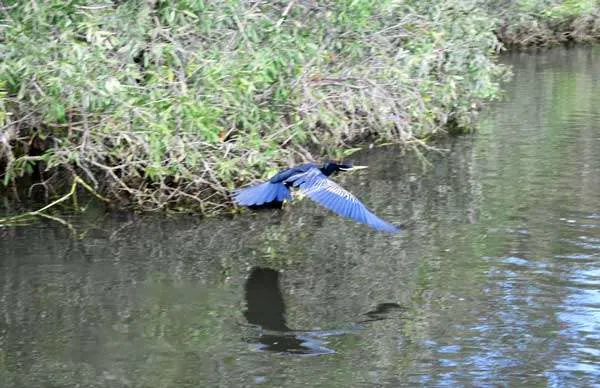
But like a modern day Jurassic Park, below the water lurk hundreds of crocodiles, lazily whiling away the hours until a wrong-footed tourist might topple into the pool. Australia reminds you that its beauty has risks! During my visit, this day was so warm that even the water would have been hot – I understand reptiles like to bask in the sun if it’s the warmest spot, but if the water is warm too, there they were, lurking under the bushes.
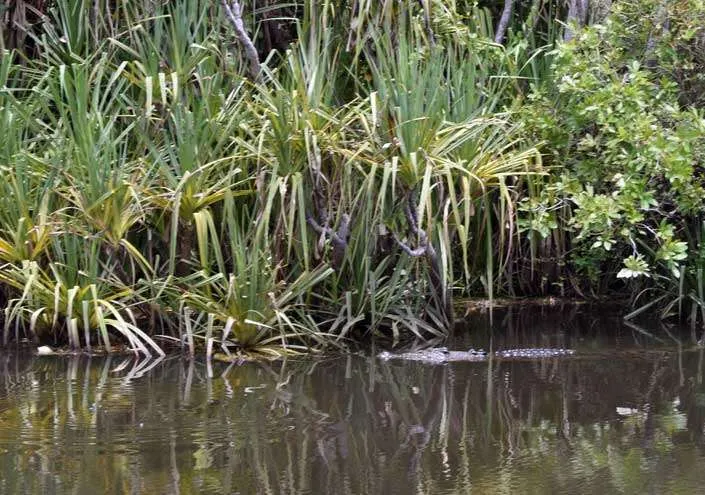
What I spotted:
Multiple saltwater crocodiles (including one massive 4-meter individual)
Jabiru storks – Australia’s only native stork
Whistling kites circling overhead
Azure kingfishers darting between branches
Water buffalo (introduced species, now managed)
The morning departure meant cooler air and more active wildlife. By afternoon, most animals retreat to shade, making timing crucial for optimal viewing.
Nourlangie Rock Art Gallery
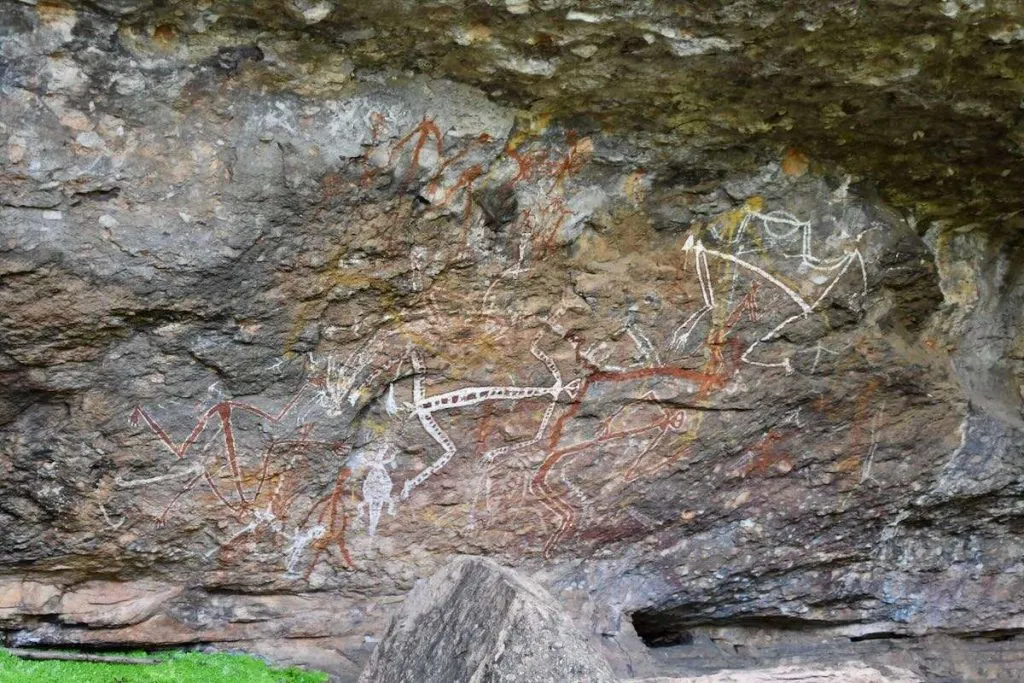
Walking distance: 1.6km circular track Difficulty: Easy, mostly flat with some rock steps Art age: Up to 20,000 years old
Nourlangie’s rock art galleries showcase artwork spanning millennia. The easy walking track leads to three main galleries, each telling different stories of seasonal life, hunting practices, and spiritual beliefs.
The paintings include both ancient ochre figures and more recent contact-period art showing European ships and guns – a visual timeline of cultural change and continuity.
Photography: Permitted but use of flash prohibited to protect ancient pigments.
Essential Kakadu Highlights
Yellow Water Billabong System
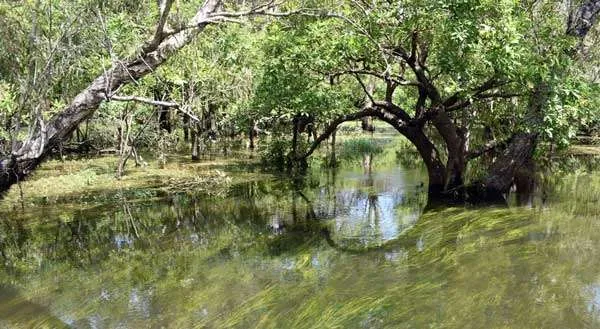
The skies above the very flat wetlands reminded me of a sunny Spring day in the midlands of Ireland – just as green, but this is a very different land. This is the land of the Aboriginal people, a land populated with beasties unfamiliar in Irish landscapes. This visit was a story of wetland birds, nonchalantly sitting atop floating branches or prancing through the shallows, unworried by the presence of so many crocodiles!
Best viewing: Early morning (6-9am) and late afternoon (4-6pm) Peak season: April-September (Dry season) Wet season advantages: Fewer crowds, dramatic skies, active birdlife
World Heritage Rock Art
Kakadu contains one of the world’s longest historical records of rock art, with some paintings potentially 65,000 years old. The art documents environmental changes, animal species, and cultural practices across millennia.
Main sites accessible on day tours:
Nourlangie Rock – most famous galleries
Ubirr Rock – sunset views (some tours)
Burrungkuy (Nourlangie) – diverse art styles
Wetland Wildlife
The park protects diverse ecosystems supporting over 280 bird species and both freshwater and saltwater crocodiles.
Guaranteed sightings: Saltwater crocodiles, jabiru storks, whistling kites Possible encounters: Dingoes, water buffalo, feral pigs, multiple raptor species Seasonal highlights: Migratory birds (October-March)
When to Visit Kakadu
Dry Season (May-September)
Pros: Perfect weather, guaranteed wildlife sightings, accessible swimming spots Cons: Peak crowds, higher accommodation prices Best for: First-time visitors, photographers
Wet Season (October-April)
Pros: Dramatic landscapes, fewer tourists, active birdlife, cultural significance Cons: Limited road access, swimming restrictions, intense heat/humidity Best for: Experienced travelers, cultural enthusiasts
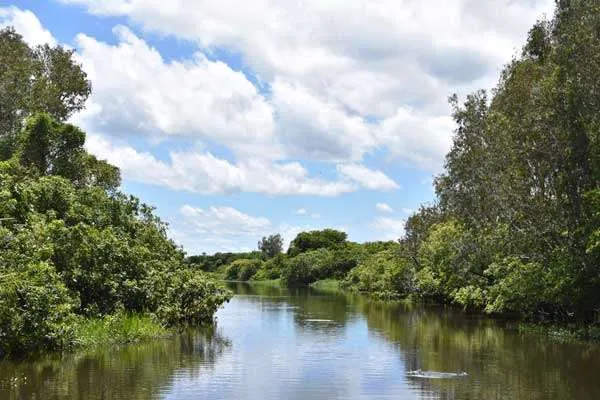
My March visit proved that wet season has unique advantages. The approaching cyclone created dramatic skies – as night fell and we turned back towards Darwin, the soft colours in the sky were betrayed by multiple forms of sheet and fork lightning that heralded thunder and monsoonal rain. It was a surprise greeting that erupted as the lights of Darwin came into view. The lower water levels concentrated wildlife beautifully, and I was so lucky to visit on a sunny, still day at the heart of what is usually the wet season.
Build-Up Season (October-December)
Pros: Moderate crowds, changing landscapes, building energy Cons: Increasing heat and humidity, unpredictable weather Best for: Adventure seekers, budget travelers
Practical Tips for Your Day Trip
What to Pack
Sun protection: Hat, sunscreen SPF 50+, sunglasses
Comfortable walking shoes: Closed-toe for rock art sites
Water bottle: Tours provide some, but bring extra
Camera: Extra batteries/power bank essential
**eSIM: **Reliable mobile signal, use an eSIM from Airalo
Light rain jacket: Wet season essential
Insect repellent: Tropical strength recommended
**Rest well: **this trip is a solid 13 hours. Stay at least one night before your tour plus the night you get back from Kakadu – see hotel options here.
Health & Safety
Crocodile safety: Never enter water, maintain safe distances
Sun exposure: UV levels extreme year-round
Hydration: Drink water regularly, especially during walks
Medical facilities: Limited within park boundaries
Photography Tips
Golden hour: Best light occurs early morning and late afternoon
Wildlife: Long lens helpful for distant subjects
Rock art: No flash permitted, steady hands essential
Landscapes: Polarizing filter reduces glare on water
Cultural Sensitivity
Aboriginal protocols: Follow guide instructions at cultural sites
Photography: Ask permission before photographing Aboriginal people
Sacred sites: Some areas off-limits for cultural reasons
Traditional knowledge: Respect Indigenous intellectual property
Booking Your Kakadu Tour
For the comprehensive day tour experience I enjoyed, book through this Viator link. This tour includes everything mentioned in this guide: Yellow Waters cruise, Warradjan Cultural Centre, Nourlangie Rock art galleries, comfortable transport, and expert guiding.
You can also check out similar tours on GetYourGuide, especially during peak periods when the Viator tours sell out early.
I stayed in Darwin the night before and after the tour. Staying in a central hotel helps with early pickups (not every hotel or Airbnb is covered by the tour pick-ups). Check out hotels near Darwin city centre to compare prices.
What’s included:
Hotel pickup/drop-off in Darwin
Luxury vehicle with WiFi and USB charging
Yellow Waters cruise
Warradjan Aboriginal Cultural Centre entry
Nourlangie Rock art gallery access
Buffet lunch
Professional driver/guide
Price: From $210 AUD per person Duration: 12-14 hours including travel time Group size: Maximum 24 passengers
The tour represents excellent value considering the distance covered, sites visited, and cultural education provided. Independent travel would cost similar amounts once you factor in fuel, park passes, and accommodation if staying overnight.
**Visiting Australia soon? **Stay connected with an affordable eSIM from Airalo.
FAQ
How long does it take to drive from Darwin to Kakadu National Park, and is the road sealed?
The drive takes approximately 3 hours via the Arnhem Highway. The road is fully sealed and suitable for regular 2WD vehicles year-round.
Can you visit Kakadu National Park as a day trip from Darwin?
Yes, day trips are very popular and practical. Tours typically run 12–14 hours including travel time, allowing you to see major highlights while returning to Darwin the same evening. If you prefer to drive, Discover Cars offers a good range of rental vehicles available in Darwin.
What is the best time of year to visit Kakadu National Park?
The Dry Season (May–September) offers the best weather and reliable wildlife viewing. The Wet Season delivers dramatic landscapes, fewer crowds, and unique cultural experiences.
Are there crocodiles in Kakadu National Park, and is it safe to swim?
Yes, both saltwater and freshwater crocodiles inhabit Kakadu’s waterways. All water bodies should be treated as crocodile habitat. Swimming is only permitted in designated crocodile-free areas.
Do you need a 4WD vehicle to visit Kakadu National Park?
No, the entire route via the Stuart and Arnhem Highways is sealed and suitable for conventional vehicles. A 4WD is not required for the main tourist sites.
How far is Kakadu National Park from Darwin?
Kakadu National Park begins about 170 km from Darwin, with major sites like Yellow Water located around 80 km further inside the park; approximately 250 km total.
What should you pack for a trip to Kakadu National Park?
Essentials include sun protection (hat, SPF 50+ sunscreen, sunglasses), comfortable closed-toe walking shoes, a water bottle, camera with spare batteries, and insect repellent. A light rain jacket is recommended during the Wet Season